
Jun 20 2025
/
Die Manufacturing: Crafting Precision in Aluminium Extrusion
Introduction
Aluminium extrusion has transformed industries by enabling the production of strong, lightweight, and customized profiles that meet specific performance standards. At the heart of this process lies die manufacturing, a critical step that shapes molten Aluminium into precise cross-sectional profiles. These dies are expertly crafted tools that determine the final shape, strength, and dimensions of the extruded profiles. For industries where accuracy, durability, and efficiency are paramount, such as automotive, aerospace, construction, and electronics, precision in die manufacturing is key to achieving high-quality Aluminium extrusions.
This blog explores the intricacies of die manufacturing for Aluminium extrusion, detailing the processes, materials, and technologies involved in crafting dies that meet complex industrial needs. We’ll also examine the impact of die quality on production efficiency, product durability, and customization potential, demonstrating why precision in die manufacturing is essential for advancing Aluminium extrusion technology.
1: Understanding Die Manufacturing in Aluminium Extrusion
1.1 What is Die Manufacturing?
Die manufacturing involves creating a custom tool, or die, that shapes heated Aluminium billets into specific profiles as they pass through it. These dies are designed with precision to achieve detailed cross-sectional shapes, meeting the unique requirements of different industries.
- Role of Dies in Aluminium Extrusion: In the extrusion process, the die acts as a mold that Aluminium passes through to achieve its final shape. The die’s design determines the profile’s size, complexity, and structural integrity.
- Customization Potential: Each die is custom-made to produce a specific profile, enabling industries to create unique designs tailored to their needs. This customization is essential for industries that require parts with precise tolerances and complex geometries.
1.2 Types of Extrusion Dies
There are several types of extrusion dies, each serving different purposes based on the complexity of the required Aluminium profile.
- Solid Dies: Used to create profiles without any internal cavities, such as bars and beams.
- Hollow Dies: Used to produce hollow profiles like tubes, these dies require additional components like mandrels to maintain internal cavities.
- Semi-Hollow Dies: Designed for profiles with partially enclosed voids, such as certain automotive parts and support structures.
- Multi-Hole Dies: These dies can create multiple profiles simultaneously, improving production efficiency for applications that require identical components.
By choosing the right die type, manufacturers can create the specific profiles needed for each application, ensuring that components meet performance and aesthetic standards.
2: The Die Manufacturing Process in Aluminium Extrusion
Manufacturing a die for Aluminium extrusion requires precision and expertise. Here is an in-depth look at the steps involved in creating a high-quality extrusion die.
2.1 Designing the Die
The first step in die manufacturing is designing the die based on the profile specifications. This phase involves a close collaboration between engineers and designers to ensure accuracy.
- CAD and Simulation: Designers use computer-aided design (CAD) software to create a detailed model of the die. Advanced simulations are also conducted to predict material flow and identify potential issues.
- Profile Requirements: Engineers assess the profile’s structural requirements, intended use, and production volume, determining the optimal die design for durability and performance.
- Consideration of Aluminium Properties: Aluminium’s properties, such as its strength, malleability, and thermal expansion, are considered in the design to ensure the die will function effectively.
2.2 Die Material Selection
The material used in die manufacturing is crucial for maintaining precision and durability during extrusion. High-quality dies are typically made from high-strength tool steels due to their ability to withstand extreme temperatures and pressures.
- H13 Tool Steel: One of the most commonly used materials for extrusion dies, H13 tool steel provides excellent resistance to heat and wear.
- Heat Treatment: The chosen material undergoes heat treatment to enhance its hardness, durability, and resistance to thermal fatigue, ensuring it can endure the rigorous demands of Aluminium extrusion.
- Coatings for Enhanced Performance: Die surfaces are sometimes coated with nitrides or carbides to further enhance their wear resistance, which is particularly valuable in high-volume extrusion environments.
2.3 Machining and Shaping the Die
Once the die material is selected and prepared, it is shaped according to the design specifications. This stage requires high-precision machining and expertise.
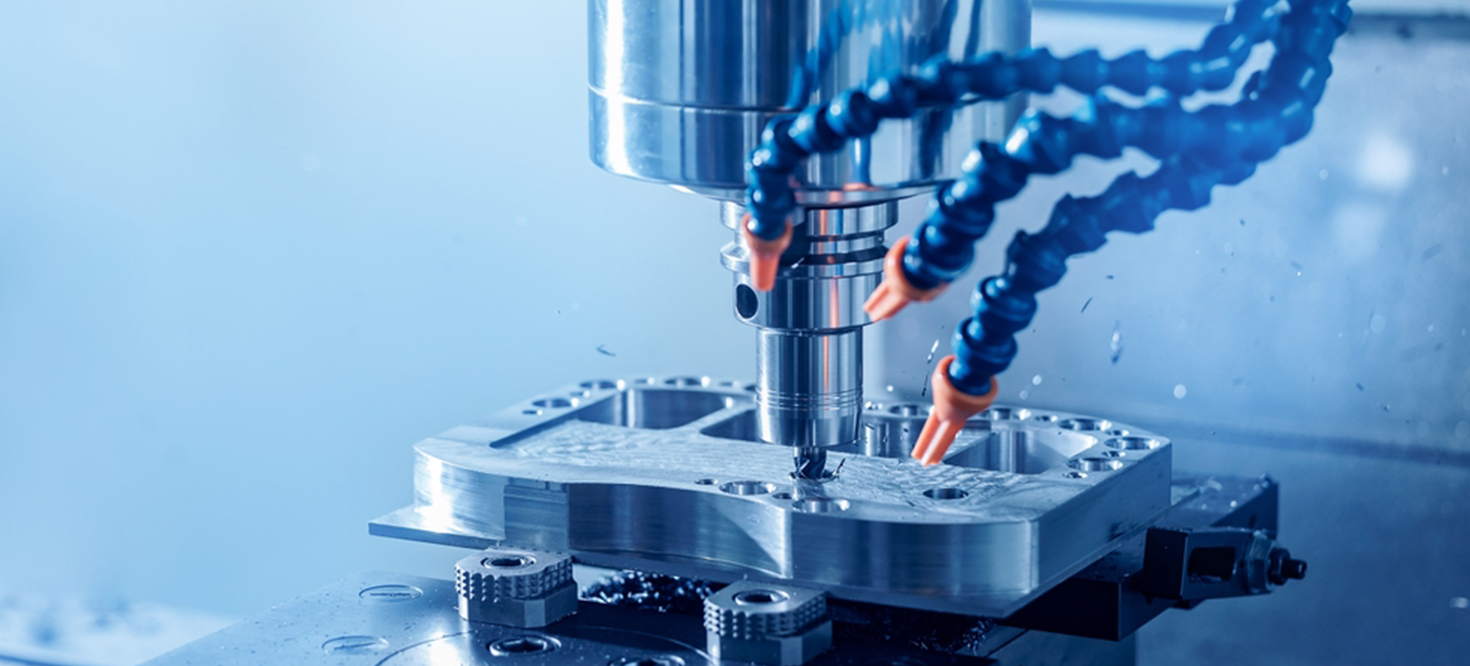
- CNC Machining: Computer Numerical Control (CNC) machining is used to shape the die with extreme accuracy, ensuring that the profile dimensions match exact specifications.
- EDM (Electrical Discharge Machining): For intricate designs or tight tolerances, EDM is often used to create precise shapes by eroding material with electric discharges.
- Polishing and Finishing: After machining, the die is polished and finished to ensure a smooth surface, reducing friction and promoting consistent material flow during extrusion.
2.4 Testing and Quality Control
Testing and quality control are crucial for verifying that the die will perform as intended without defects.
- Sample Extrusion Testing: The die is used to extrude a test billet, allowing engineers to inspect the initial profiles for dimensional accuracy and quality.
- Dimensional Inspection: Precision measuring tools are used to check that the die meets the specified dimensions and tolerances.
- Flow and Pressure Testing: Engineers evaluate the Aluminium’s flow through the die, identifying potential areas for improvement to achieve consistent, defect-free extrusions.
Quality control measures help ensure the die will withstand production demands, delivering high-quality, precision profiles consistently.
3: The Importance of Precision in Die Manufacturing for Aluminium Extrusion
Precision in die manufacturing is essential for creating reliable, high-quality Aluminium extrusions. Here’s why accuracy and attention to detail are so crucial in this process.
3.1 Enhanced Profile Quality and Consistency
Precision in die manufacturing directly impacts the quality and consistency of the extruded Aluminium profiles.
- Dimensional Accuracy: A precisely manufactured die ensures that each profile matches exact dimensions, which is especially important for industries like aerospace and automotive, where precise tolerances are critical.
- Reduced Defects and Waste: High-quality dies minimize defects, such as cracks or warping, reducing material waste and ensuring that more profiles meet quality standards.
- Smooth Surface Finish: Proper die design and manufacturing result in a smooth extrusion process, which contributes to a better surface finish on the final product, enhancing aesthetics and functionality.
3.2 Increased Efficiency in Production
Precision dies contribute to greater efficiency in Aluminium extrusion, lowering costs and improving throughput.
- Reduced Downtime: Well-manufactured dies are durable and require less maintenance, reducing downtime due to repairs or die changes.
- Faster Production Speeds: High-precision dies facilitate a smoother extrusion process, allowing manufacturers to maintain faster production speeds without sacrificing quality.
- Optimized Material Flow: Precision dies promote even material flow, which prevents defects and increases the overall efficiency of the extrusion process.
3.3 Customization and Flexibility for Complex Profiles
Precision die manufacturing allows for greater customization, enabling the creation of complex profiles that meet specific industrial needs.
- Complex Geometries: Intricate designs are possible with precision dies, allowing for profiles with multiple chambers, intricate curves, and functional features.
- Application-Specific Profiles: Custom die manufacturing enables the production of profiles tailored to each application, such as heat sinks, support structures, or framing, enhancing their performance.
- Multi-Hollow Extrusions: Precision in die manufacturing allows for multi-hollow profiles, which are essential for applications like tubing, frames, and cable management systems.
4: Key Applications of Precision-Engineered Dies in Aluminium Extrusion
Precision-engineered dies are essential across industries that rely on high-performance Aluminium profiles. Here are some key applications:
4.1 Automotive Industry: Lightweight and Durable Components
In automotive manufacturing, Aluminium extrusions provide lightweight, strong components that improve fuel efficiency and safety.
- Crash Management Systems: Extruded Aluminium profiles created with precision dies absorb impact energy, protecting passengers in the event of a collision.
- Chassis and Frame Components: Custom dies enable the production of structural components that meet safety standards without adding excessive weight.
- Battery Enclosures for EVs: As electric vehicles become more prevalent, Aluminium extrusions with precision designs help create durable, heat-dissipating battery enclosures.
4.2 Aerospace: High-Performance Profiles for Safety and Efficiency
The aerospace industry demands lightweight materials with high strength-to-weight ratios, and Aluminium extrusions meet these criteria.
- Aircraft Structural Components: Precision dies create profiles that contribute to lightweight yet strong structures for aircraft frames and wings.
- Heat Dissipation and Engine Components: Aluminium’s thermal properties make it ideal for components that require efficient heat dissipation, such as engine housings and exhaust systems.
- Satellite Frames: For satellite structures, extruded Aluminium provides strength without adding unnecessary weight, which is critical for reducing launch costs.
4.3 Construction: Sustainable and Durable Building Materials
In construction, Aluminium extrusions provide durable and lightweight solutions for structural applications, building facades, and more.
- Window Frames and Curtain Walls: Precision dies create profiles for Aluminium frames, combining aesthetic appeal with weather resistance and durability.
- Solar Panel Mounting: Extruded Aluminium profiles are commonly used in solar panel mounting systems, supporting renewable energy initiatives in sustainable construction.
- Load-Bearing Beams: Custom dies are used to produce structural beams and supports, which need to withstand heavy loads and meet strict building codes.
4.4 Electronics: Effective Heat Management and Compact Designs
In the electronics industry, precision extrusions support applications that require efficient heat management and compact form factors.
- Heat Sinks for Electronics: Aluminium’s thermal conductivity, combined with precision die manufacturing, enables the creation of efficient heat sinks.
- Enclosures for Electronics: Custom extrusions protect electronic components from external factors, ensuring the longevity and reliability of devices.
- Cable Management Channels: Multi-chamber extrusions provide secure channels for cable management, which are essential for organizing and protecting wiring in electronics and industrial equipment.
5: Advancements in Die Manufacturing Technology
Advancements in die manufacturing technology have improved the quality, efficiency, and complexity of Aluminium extrusion profiles. Here are some of the latest developments in the field:
5.1 Advanced CAD and Simulation Software
New software tools allow engineers to design dies with higher accuracy, ensuring better performance in real-world applications.
- Predictive Simulations: Simulation software predicts material flow and identifies potential issues, enabling engineers to adjust designs before production.
- Virtual Testing: CAD and simulation reduce the need for physical prototypes, speeding up the development process and lowering costs.
- Enhanced Precision: Digital design tools allow for greater precision in die manufacturing, essential for complex and high-tolerance applications.
5.2 CNC and EDM Machining Techniques
Modern machining techniques improve the precision and efficiency of die production, supporting complex designs.
- CNC Machining: CNC allows for high-precision cuts and shapes, ensuring that dies meet tight tolerances and produce high-quality extrusions.
- EDM for Intricate Designs: Electrical Discharge Machining (EDM) enables the creation of intricate shapes that would be challenging to achieve with traditional machining.
- Automated Production: CNC and EDM processes are increasingly automated, improving consistency and reducing the time required for die production.
5.3 Surface Treatments and Coatings
Innovations in surface treatments extend the lifespan of dies and improve extrusion quality.
- Nitriding and Carbide Coatings: Surface treatments like nitriding enhance the die’s hardness, improving its resistance to wear and extending its lifespan.
- Polished Finishes: Polishing die surfaces reduces friction during extrusion, promoting smoother material flow and consistent quality.
- Thermal Barrier Coatings: Coatings that protect against thermal fatigue are especially valuable for dies used in high-temperature extrusions.
Conclusion: Crafting Precision in Aluminium Extrusion Through Die Manufacturing
Die manufacturing is an essential component of the Aluminium extrusion process, enabling the production of customized profiles that meet complex industrial needs. With advances in materials, machining, and design technology, die manufacturers are achieving higher levels of precision, quality, and efficiency, empowering industries to develop innovative solutions. From automotive components and aerospace structures to building materials and electronics, precision in die manufacturing supports a wide range of applications, making it indispensable in modern manufacturing.
For industries that demand accuracy, durability, and performance, investing in precision-engineered dies is crucial for achieving reliable and high-quality Aluminium extrusions. As technology continues to evolve, die manufacturing will remain at the forefront of crafting precision in Aluminium extrusion, helping to meet the growing demands for customized, efficient, and sustainable industrial solutions.
Related Posts


