
Jul 04 2025
/
The Art and Science of Billet Casting in Modern Manufacturing
Introduction
Modern manufacturing demands materials that meet specific requirements for strength, durability, and machinability. One of the essential processes that enable high-quality metal production is billet casting, a sophisticated method that transforms raw materials into semi-finished products ready for further processing. The art and science of billet casting lie in balancing precise control with advanced technology to produce billets that meet exact specifications for industries like automotive, aerospace, construction, and electronics.
This blog explores the intricate process of billet casting, discussing the stages, materials, and technological advancements involved. We’ll also examine the role of billet casting in modern manufacturing and why it remains a cornerstone for producing high-quality metal components in industries that rely on precision and durability.
1: Understanding Billet Casting and Its Importance in Manufacturing
1.1 What is Billet Casting?
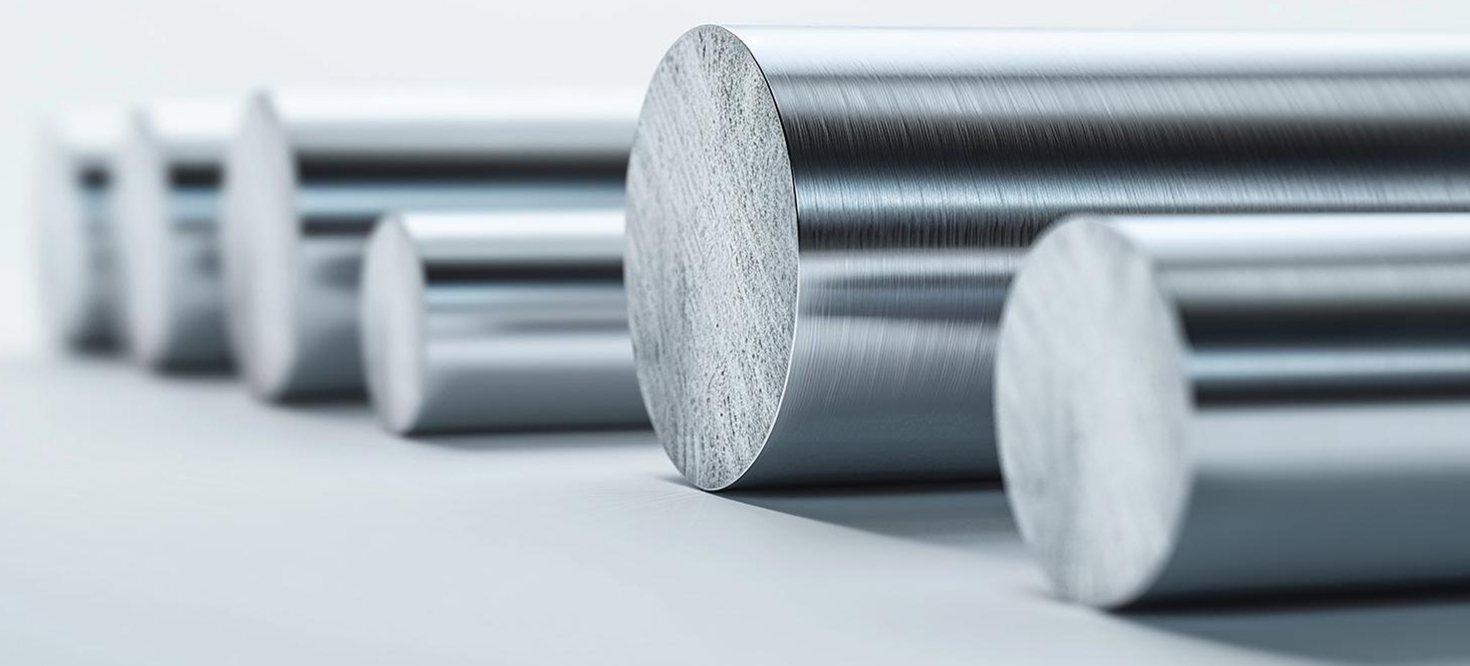
Billet casting is a process in which molten metal is poured into molds to create billets, solid, cylindrical, or rectangular pieces that serve as the starting material for further processing. These billets are then cut, shaped, or extruded into finished products.
- What is a Billet?: A billet is a semi-finished piece of metal used in downstream processes, such as extrusion, forging, and rolling. Billets serve as the primary material for creating a wide range of products, from car parts and aerospace components to building materials and electronics.
- Types of Metals Used: While aluminium billet casting is one of the most common, other metals like steel, copper, and titanium can also undergo billet casting. Each metal requires specific conditions and expertise to achieve optimal results.
1.2 Why is Billet Casting Essential?
Billet casting is integral to modern manufacturing for several reasons. It enables manufacturers to produce materials with uniform properties, control the material composition, and create billets of specific sizes and shapes that are easily transportable and customizable.
- Quality Control: The casting process allows for close control over material quality, ensuring the billets meet the required strength, texture, and grain structure.
- Cost Efficiency: Billet casting maximizes material efficiency, reducing waste and lowering production costs.
- Versatility: Billets can be customized to fit a wide range of applications, making them essential for industries with complex and specific needs.
Billet casting thus forms the foundation of high-quality manufacturing, allowing industries to create customized, reliable, and durable components.
2: The Billet Casting Process
The billet casting process is a multi-step procedure that requires precision and expertise. Here is a detailed breakdown of each stage in the billet casting process.
2.1 Preparation and Melting
The billet casting process begins with raw metal preparation and melting.
- Raw Material Selection: High-quality metal is selected to meet the composition and strength requirements of the finished billets. Common metals used include aluminium, steel, and copper.
- Melting: The metal is melted in a furnace at high temperatures, transforming it into a molten state. Temperature control is essential to ensure consistent melting, preventing impurities and defects.
- Alloying: At this stage, alloying elements may be added to the molten metal to achieve the desired mechanical properties. For example, in aluminum billet casting, elements like magnesium, silicon, or zinc are added to create alloys that improve strength, corrosion resistance, or machinability.
2.2 Degassing and Filtration
Before casting, it’s essential to remove impurities and trapped gases from the molten metal to improve the quality and consistency of the billets.
- Degassing: In aluminium billet casting, hydrogen gas is removed through a degassing process, where an inert gas is introduced to the molten metal, allowing trapped gases to escape.
- Filtration: Molten metal is passed through filters to remove impurities and inclusions, which can negatively affect the billet’s mechanical properties and surface finish.
By removing impurities and gases, manufacturers ensure that the billet casting process produces high-quality billets with fewer defects.
2.3 Mold Casting
Once the molten metal is prepared, it is poured into molds to form the billets.
- Mold Design: Billet molds are typically made of heat-resistant materials that can withstand high temperatures. They are designed to create specific billet sizes and shapes.
- Pouring Techniques: Continuous casting and direct-chill casting are common techniques used in billet production. In continuous casting, molten metal is poured continuously to create billets of long lengths, while in direct-chill casting, molten metal is poured into molds and rapidly cooled.
- Controlled Cooling: Cooling the metal in a controlled manner prevents the formation of cracks or internal stresses, ensuring a strong and homogenous billet structure.
2.4 Solidification and Cooling
The molten metal solidifies within the mold, forming a solid billet. This step requires careful temperature management to ensure uniform crystallization and grain structure.
- Controlled Solidification: Solidification rate affects the microstructure of the billet, influencing its mechanical properties. Rapid cooling produces fine-grained billets, while slower cooling can produce a coarser structure.
- Heat Treatment: Some billets undergo additional heat treatment to further refine their grain structure and improve properties like hardness, strength, and machinability.
2.5 Finishing and Inspection
After the billet is cast and solidified, it goes through a finishing and inspection process to ensure quality and accuracy.
- Surface Finishing: The billet surface is treated to remove any rough edges or minor imperfections. This step enhances the billet’s appearance and prepares it for downstream processing.
- Inspection for Quality Control: Precision measurement tools check the dimensions, grain structure, and surface finish of the billet. Nondestructive testing methods, such as ultrasonic testing, are often used to detect internal flaws.
- Packaging and Storage: Once inspected, billets are packaged and stored for further processing, including extrusion, forging, or machining.
Each of these stages is crucial for producing high-quality billets that meet the strict standards of modern manufacturing.
3: Benefits of Precision Billet Casting in Modern Manufacturing
Precision billet casting offers numerous advantages, particularly for industries that require high-quality, customizable materials.
3.1 Consistency in Quality and Properties
Billet casting allows for precise control over the material composition and microstructure, ensuring that each billet has consistent quality and performance characteristics.
- Uniform Grain Structure: Controlled solidification during casting ensures a uniform grain structure, improving strength and durability.
- Enhanced Mechanical Properties: Billet casting allows for the creation of billets with specific mechanical properties, such as hardness, tensile strength, and fatigue resistance.
- Reliability: High-quality billets reduce the risk of defects and failure in downstream applications, enhancing product reliability and safety.
3.2 Cost-Effective Production and Material Efficiency
Billet casting is a cost-effective way to produce high-quality metal, reducing material waste and labor costs.
- Reduced Waste: By casting billets to near-final dimensions, billet casting minimizes the amount of material lost during machining or further processing.
- Lower Production Costs: Billet casting is less labor-intensive than other methods, offering cost savings for large-scale production.
- Energy Efficiency: The continuous casting method in particular is energy-efficient, producing billets with minimal energy consumption.
3.3 Customization for Specific Applications
Billet casting offers customization options, allowing manufacturers to produce billets tailored to the specific needs of different industries.
- Alloy Adjustments: Billet casting allows for precise alloy composition adjustments, meeting the specific requirements for each application, such as aerospace-grade aluminum alloys or high-strength steel for construction.
- Custom Shapes and Sizes: Billets can be cast in various shapes and sizes to accommodate specific applications, from large industrial parts to small, precision components.
- Enhanced Workability: Customization options enable manufacturers to produce billets that are easy to work with, reducing processing time and enhancing efficiency.
For industries where quality and precision are paramount, billet casting offers a highly customizable solution that enhances product performance.
4: Advanced Billet Casting Technologies and Innovations
Recent technological advancements in billet casting have improved efficiency, quality, and sustainability. Here’s a look at some key innovations:
4.1 Continuous Casting
Continuous casting is a process that allows for the uninterrupted pouring of molten metal into molds, producing billets of any desired length.
- Efficiency and Speed: Continuous casting enables faster production of billets, reducing downtime and increasing output for high-demand applications.
- Reduced Costs: Continuous casting lowers labor and energy costs, making it a cost-effective option for large-scale billet production.
- Uniform Quality: By maintaining a steady flow of molten metal, continuous casting produces billets with consistent properties and minimal defects.
4.2 Direct-Chill (DC) Casting
Direct-chill casting is a billet casting technique in which molten metal is rapidly cooled, or “chilled,” to achieve a refined grain structure.
- Enhanced Strength and Durability: DC casting produces fine-grained billets with improved mechanical properties, such as increased tensile strength and fatigue resistance.
- Improved Surface Quality: DC casting reduces surface defects, creating billets that require minimal finishing before further processing.
- Widely Used in Aluminum Casting: DC casting is particularly popular in aluminum billet casting, where strength and corrosion resistance are essential.
4.3 Vacuum-Assisted Casting
Vacuum-assisted casting is an advanced technique that removes gases from the molten metal, minimizing the presence of voids and inclusions.
- Improved Purity: Vacuum-assisted casting produces billets with fewer impurities, enhancing the material’s strength and reducing the risk of defects.
- Ideal for High-Purity Applications: This technique is beneficial for industries like aerospace and electronics, where high-purity materials are required.
- Enhanced Control Over Composition: Vacuum casting allows for greater control over the material composition, ensuring that billets meet precise specifications.
4.4 Automation and Digital Control in Casting
Automation and digital technologies have enhanced billet casting precision, efficiency, and traceability.
- Automated Temperature and Flow Control: Automation ensures consistent melting and pouring, reducing the risk of errors and improving billet quality.
- Real-Time Monitoring and Data Collection: Digital systems enable real-time monitoring of temperature, flow rate, and cooling, allowing for immediate adjustments if needed.
- Quality Control with AI and Machine Learning: Machine learning algorithms analyze casting data to predict and prevent defects, supporting higher consistency and quality.
These advancements in billet casting technology allow manufacturers to produce billets with greater precision, quality, and sustainability.
5: Applications of Billet Casting in Key Industries
Billet casting is essential for industries that require high-quality materials with specific characteristics. Here are some of its most significant applications:
5.1 Automotive Industry
In the automotive sector, billet casting produces strong, lightweight components essential for safety and fuel efficiency.
- Engine Blocks and Cylinder Heads: Aluminum billet casting produces engine blocks that combine strength and thermal conductivity, improving performance and efficiency.
- Transmission Components: High-strength steel billets are cast for transmission components, providing the durability needed to withstand operational stress.
- Lightweight Structures for EVs: Aluminum billets are widely used in electric vehicles for components that reduce weight and improve energy efficiency.
5.2 Aerospace and Defense
Billet casting supports the aerospace and defense industries, providing materials with high strength-to-weight ratios and resistance to extreme conditions.
- Aircraft Frames and Structural Components: Aluminum billet casting is used for structural components in aircraft, where lightweight strength is critical.
- Missile and Satellite Components: Billets made from high-strength alloys are used in missile casings and satellite structures, where durability and precision are essential.
- Heat-Resistant Components: High-strength alloys cast into billets can withstand high temperatures, ideal for aerospace applications that require resistance to heat and stress.
5.3 Construction Industry
In construction, billet casting produces durable materials used in building frameworks, infrastructure, and heavy machinery.
- Steel Beams and Reinforcements: Steel billets are cast into beams and reinforcements, providing the structural integrity needed for buildings and bridges.
- Corrosion-Resistant Supports: Aluminum billets are used for supports in coastal and offshore construction projects, where corrosion resistance is essential.
- Scaffolding and Support Structures: Lightweight aluminum billets are cast for scaffolding and support structures, offering easy handling and high durability.
5.4 Electronics and Electrical Engineering
Billet casting supports electronics manufacturing by providing high-purity materials that improve performance and reliability.
- Heat Sinks and Enclosures: Aluminium billets are extruded into heat sinks that dissipate heat in electronic devices, improving performance and lifespan.
- Conductor Materials: Copper billets are cast for use in electrical conductors, providing efficient conductivity and durability.
- Protective Casings: Aluminium billets are machined into protective casings for sensitive electronics, shielding them from external factors.
Conclusion: The Art and Science of Precision in Billet Casting
The art and science of billet casting lie in balancing advanced technology with precision and expertise to produce high-quality, customizable materials. From the automotive and aerospace sectors to construction and electronics, billet casting enables industries to create durable, reliable, and efficient components that meet exact specifications.
With ongoing advancements in continuous casting, direct-chill techniques, and digital control, billet casting continues to evolve, offering manufacturers greater precision, efficiency, and environmental responsibility. As a cornerstone of modern manufacturing, billet casting will play a crucial role in producing high-quality materials that power the innovations of tomorrow.
Related Posts


