
Sep 11 2025
/
Why Lightweight Aluminum is Ideal for Next-Gen Transportation Solutions
Introduction
In the quest for more efficient, sustainable, and high-performance transportation, lightweight aluminum has emerged as a critical material. From electric vehicles (EVs) and aerospace innovations to high-speed rail and urban transit systems, aluminum’s unique properties are helping shape the future of transportation. With its high strength-to-weight ratio, corrosion resistance, and exceptional recyclability, aluminum addresses the growing demand for materials that support fuel efficiency, safety, and reduced emissions.
This blog delves into why lightweight aluminum is ideal for next-generation transportation solutions, examining its advantages, applications, and the technological advancements that make it indispensable in modern transit systems. By understanding aluminum’s role in EVs, aerospace, rail, and urban mobility, we see how this material is transforming the transportation sector to meet evolving demands.
1: Advantages of Lightweight Aluminum in Transportation
1.1 High Strength-to-Weight Ratio
Aluminum’s high strength-to-weight ratio makes it ideal for transportation applications that require durable yet lightweight components.
- Improved Fuel Efficiency: Lightweight aluminum reduces vehicle weight, leading to lower energy consumption and improved fuel economy—a crucial factor in reducing emissions.
- Enhanced Speed and Performance: In aerospace and high-speed rail, reducing weight allows for higher speeds and better acceleration, enhancing overall performance.
- Higher Payload Capacity: For vehicles and aircraft, reducing structural weight allows for more payload capacity, supporting increased efficiency and profitability.
1.2 Corrosion Resistance and Longevity
Aluminum’s natural resistance to corrosion makes it suitable for transportation applications exposed to varying climates and environmental conditions.
- Reduced Maintenance Costs: Corrosion-resistant aluminum requires less frequent maintenance, translating to cost savings and increased vehicle uptime.
- Ideal for Coastal and High-Moisture Environments: Aluminum performs well in saltwater and humid environments, making it suitable for maritime, coastal, and rainy regions.
- Long-Term Durability: Aluminum’s corrosion resistance extends the lifespan of transportation components, ensuring safety and performance over time.
1.3 Recyclability and Sustainability
With sustainability becoming a priority, aluminum’s recyclability aligns with environmental goals, making it a preferred material for eco-conscious transportation.
- Energy Savings Through Recycling: Recycling aluminum requires up to 95% less energy than producing new aluminum, supporting low-carbon manufacturing processes.
- Circular Economy Support: Aluminum can be recycled indefinitely without losing its properties, supporting a circular economy that reduces waste and conserves resources.
- Reduced Environmental Impact: Lightweight aluminum supports fuel efficiency in vehicles, reducing emissions and environmental impact across transportation systems.
1.4 Versatility and Adaptability
Aluminum’s adaptability supports a range of transportation applications, from EV battery enclosures to high-speed train frames.
- Custom Profiles for Unique Applications: Aluminum can be extruded, formed, and cast into custom profiles that meet specific design and performance requirements.
- Support for Complex Designs: Aluminum’s versatility allows for intricate shapes and designs, ideal for components that require precision and custom functionality.
- Compatibility with Other Materials: Aluminum integrates well with other materials, such as carbon fiber and composites, enabling hybrid designs that optimize strength and weight.
These advantages make lightweight aluminum indispensable for next-generation transportation solutions, offering efficiency, durability, and sustainability.
2: Applications of Aluminum in Next-Gen Transportation
Aluminum plays a key role across various sectors in transportation, supporting innovations that prioritize efficiency, performance, and environmental impact.
2.1 Electric Vehicles (EVs): Enhancing Range and Performance
As the EV market grows, aluminum has become essential for producing lightweight, high-performance components that improve efficiency and battery range.
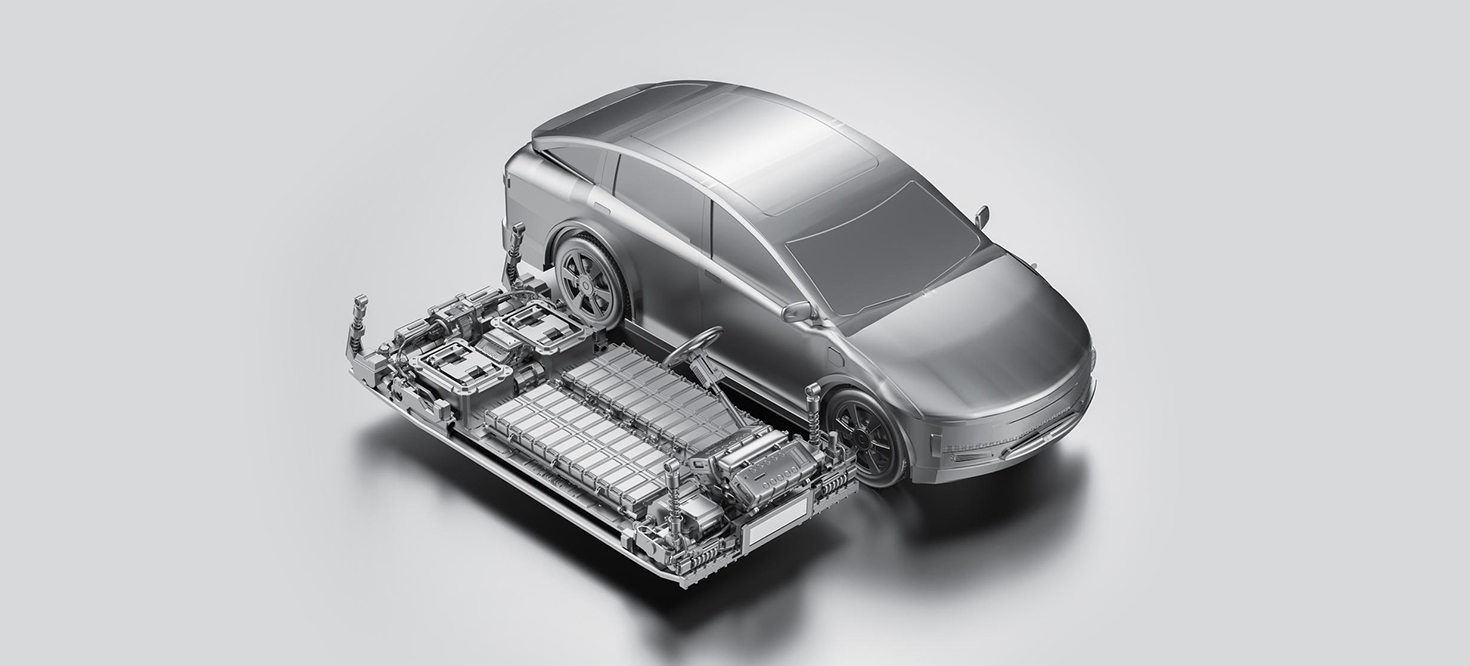
- Battery Enclosures and Housings: Aluminum battery enclosures provide lightweight protection, heat dissipation, and safety, ensuring optimal battery performance and longevity.
- Structural Frames and Chassis: Aluminum frames and chassis reduce overall vehicle weight, supporting increased range and reduced energy consumption in electric vehicles.
- Thermal Management Systems: Aluminum heat sinks and cooling fins dissipate heat generated by batteries and power electronics, essential for EV performance and safety.
2.2 Aerospace: Supporting Lightweight, High-Performance Aircraft
In aerospace, aluminum is crucial for designing lightweight, durable aircraft components that support fuel efficiency and enhance safety.
- Aircraft Fuselages and Wings: Aluminum’s high strength-to-weight ratio makes it ideal for fuselages and wings, where weight reduction is essential for fuel efficiency and performance.
- Landing Gear and Structural Components: Aluminum alloys provide the durability needed for landing gear and structural elements, balancing strength with reduced weight.
- Heat-Resistant Engine Components: Aluminum’s thermal conductivity and durability make it suitable for components exposed to high temperatures, such as engine parts and exhaust systems.
2.3 High-Speed Rail: Lightweight and Efficient Rail Systems
Aluminum’s lightweight strength and corrosion resistance support the design of high-speed rail systems that prioritize efficiency, safety, and comfort.
- Railcar Bodies and Frames: Aluminum railcar bodies are strong, lightweight, and durable, supporting faster, more fuel-efficient rail systems.
- Aerodynamic Components: Aluminum allows for streamlined designs that reduce air resistance, improving energy efficiency and speed in high-speed trains.
- Passenger Comfort Features: Aluminum is used in seating, interior partitions, and window frames, providing durability and comfort in passenger compartments.
2.4 Urban Mobility: Sustainable Solutions for Growing Cities
Aluminum’s versatility and durability make it suitable for urban mobility solutions, such as light rail, electric scooters, and bikes.
- Light Rail Systems: Aluminum’s lightweight properties support efficient light rail cars that reduce energy consumption and support sustainable urban transit.
- Electric Scooters and Bikes: Aluminum frames in electric scooters and bikes provide strength and durability while keeping vehicles lightweight and easy to maneuver.
- Public Transportation Infrastructure: Aluminum components are used in bus stops, shelters, and other infrastructure, providing long-lasting, corrosion-resistant solutions for city transit.
Through these applications, aluminum supports innovations in next-generation transportation that focus on efficiency, sustainability, and enhanced user experience.
3: Advantages of Using Lightweight Aluminum in Electric Vehicles (EVs)
The electric vehicle market is rapidly expanding, and lightweight aluminum plays a vital role in making EVs more efficient, durable, and eco-friendly.
3.1 Extended Battery Range and Fuel Efficiency
Reducing vehicle weight is essential for extending battery range in electric vehicles, and aluminum is key to achieving this.
- Lower Energy Consumption: Lighter vehicles require less energy to move, helping extend the range of EVs, which is critical for improving user experience and reducing range anxiety.
- Improved Battery Life: By reducing strain on batteries, lightweight aluminum helps extend battery life, reducing the need for replacements and lowering overall vehicle costs.
- Better Acceleration and Handling: Aluminum’s lightweight properties improve EV acceleration and handling, enhancing the driving experience and safety.
3.2 Safety and Structural Integrity
Safety is paramount in EV design, and aluminum provides the strength and resilience needed to protect passengers and vehicle components.
- Crash-Resistant Frames: Aluminum’s impact resistance provides crash protection, enhancing safety for both passengers and the vehicle’s electrical components.
- Battery Enclosures with Thermal Management: Aluminum battery enclosures offer thermal management, dissipating heat effectively to prevent overheating and improve safety.
- Corrosion-Resistant Exterior Panels: Aluminum exterior panels protect EVs from environmental damage, reducing corrosion and enhancing vehicle durability.
3.3 Enhanced Thermal Management for Battery and Electronics
Thermal management is crucial in EVs to ensure optimal battery performance and safety, and aluminum’s high thermal conductivity supports this.
- Efficient Heat Dissipation: Aluminum heat sinks and cooling systems keep batteries and electronics cool, preventing overheating and extending component life.
- Protection Against Temperature Extremes: Aluminum components help maintain consistent temperatures in various climates, supporting battery reliability and efficiency.
- Extended Battery Efficiency: By managing heat, aluminum components improve battery efficiency, enhancing EV range and performance.
These benefits make aluminum indispensable in EV manufacturing, supporting the industry’s goals of efficiency, safety, and sustainability.
4: Technological Advancements in Aluminum for Next-Gen Transportation
Advancements in aluminum processing and alloy technology are expanding the possibilities for lightweight aluminum in transportation, enabling greater efficiency and performance.
4.1 High-Strength Aluminum Alloys
New high-strength aluminum alloys, such as the 7000 and 2000 series, provide enhanced durability and lightweight strength for demanding applications.
- 7000 Series for Automotive and Aerospace: Known for its tensile strength, the 7000 series aluminum is used in critical automotive and aerospace applications, balancing strength with weight reduction.
- 2000 Series for High-Temperature Environments: The 2000 series provides thermal stability and is often used in aerospace, where materials must withstand high temperatures without deforming.
- Custom Alloy Blends: Custom blends allow manufacturers to enhance specific properties, such as corrosion resistance or hardness, to meet the demands of particular transportation applications.
4.2 Additive Manufacturing (3D Printing) with Aluminum
Additive manufacturing, or 3D printing, enables the creation of complex aluminum parts with minimal material waste.
- Lightweight, Complex Designs: 3D printing allows for intricate aluminum parts that reduce weight while maintaining strength, ideal for aerospace and EV applications.
- Rapid Prototyping and Customization: Additive manufacturing supports rapid prototyping, allowing manufacturers to test and refine designs for next-gen transportation components.
- Reduced Material Waste: 3D printing uses only the necessary material, minimizing waste and supporting sustainable production practices.
4.3 Surface Treatments for Enhanced Durability
Surface treatments like anodizing and powder coating improve aluminum’s durability and resistance, supporting long-lasting transportation applications.
- Anodizing for Corrosion Resistance: Anodizing creates a protective layer on aluminum, enhancing corrosion resistance, ideal for exterior applications in vehicles and aerospace.
- Powder Coating for Aesthetic and Functional Finishes: Powder coating adds durability and color to aluminum components, improving appearance and resistance to impact.
- Non-Stick and Anti-Friction Coatings: Specialized coatings reduce friction in moving parts, supporting efficiency and longevity in next-gen transportation systems.
4.4 Hybrid Aluminum-Composites
Combining aluminum with composite materials results in hybrid structures that offer superior strength-to-weight ratios, ideal for high-performance transportation.
- Aluminum-Carbon Fiber Hybrids for EVs and Aerospace: Hybrid materials combine aluminum’s strength with carbon fiber’s lightweight properties, enhancing EV and aircraft performance.
- Lightweight Interior Components: Hybrid materials allow for lighter, more durable interior components, improving efficiency without compromising quality.
- High-Strength Frames and Structural Components: Hybrid frames provide added strength for demanding applications, supporting structural integrity in high-speed rail and aerospace.
These technological advancements expand aluminum’s applications in transportation, offering solutions that meet the demands of efficiency, durability, and sustainability.
Conclusion: The Future of Lightweight Aluminum in Next-Gen Transportation
As next-generation transportation demands more efficient, eco-friendly, and high-performance solutions, lightweight aluminum stands out as an ideal material. From electric vehicles to high-speed rail and aerospace, aluminum’s unique properties support innovations that enhance fuel efficiency, reduce emissions, and improve safety.
With advancements in alloy technology, additive manufacturing, and hybrid composites, aluminum’s role in transportation will continue to grow, offering even greater design flexibility and performance. By embracing lightweight aluminum, manufacturers and operators are helping to shape a sustainable, efficient future for transportation, making it a cornerstone in the evolution of next-gen transit systems.
Related Posts


