
Dec 10 2025
/
Streamlining Production with Automated Extrusion Technology
Introduction
In today’s fast-paced manufacturing environment, the demand for efficient, high-quality, and cost-effective production methods is at an all-time high. Automated extrusion technology is answering that call, enabling manufacturers to streamline production, reduce waste, and increase precision across various industries. Extrusion, a process of shaping materials by forcing them through a die, benefits immensely from automation, as it reduces manual intervention, increases consistency, and enhances scalability.
This blog delves into how automated extrusion technology is transforming production lines, highlighting advancements in machinery, the benefits of automation, and its application across industries like automotive, construction, electronics, and packaging. By adopting automated extrusion technology, companies can achieve faster production cycles, reduced labor costs, and improved product quality, positioning themselves to meet growing market demands effectively.
1: What is Automated Extrusion Technology?
1.1 Understanding the Basics of Extrusion
Extrusion is a process in which a material, such as aluminum, plastic, or rubber, is pushed through a die to create a specific shape. The extruded product takes the cross-sectional shape of the die, making this process ideal for producing uniform profiles like tubes, sheets, and complex shapes for a variety of applications.
- Types of Extrusion: There are different types of extrusion, including hot extrusion (for metals), cold extrusion (for room-temperature materials), and plastic extrusion, each used depending on the material properties.
- Common Extrusion Materials: While aluminum and plastic are common, extrusion can be applied to materials like rubber, ceramics, and composite materials, supporting diverse manufacturing needs.
1.2 What is Automated Extrusion Technology?
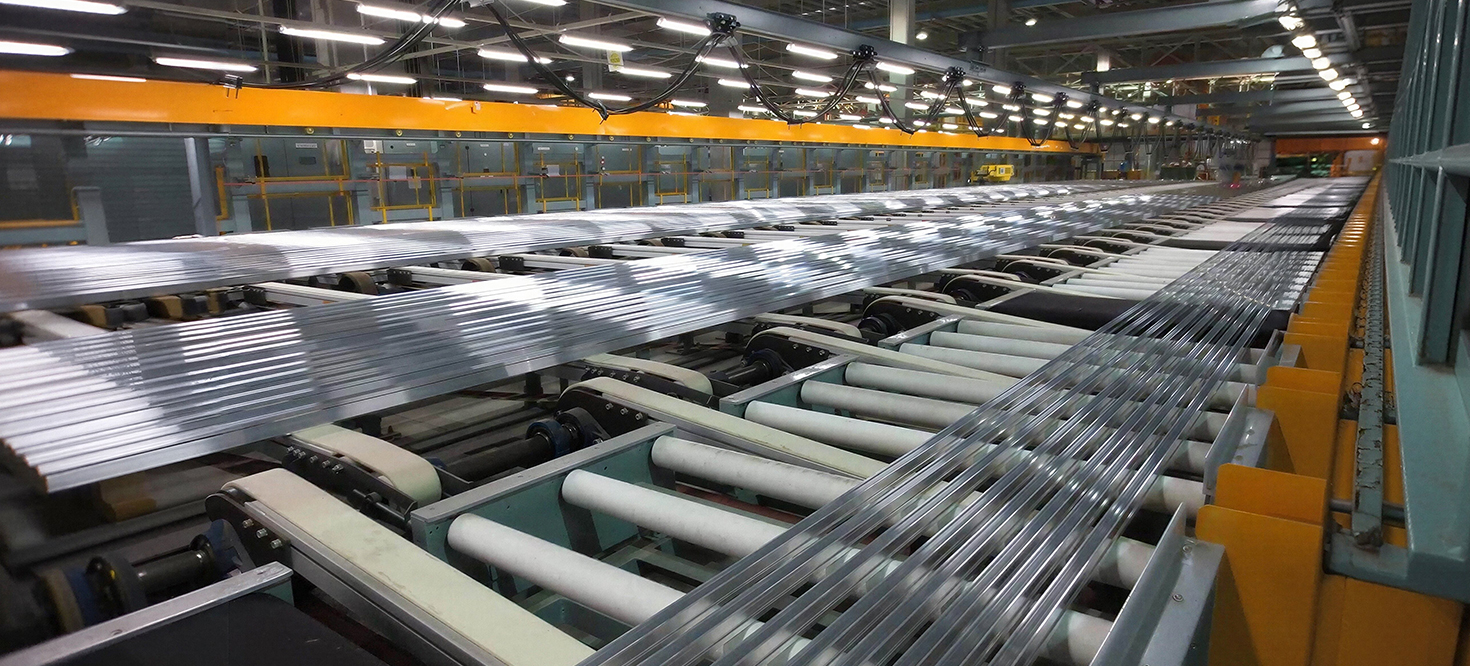
Automated extrusion technology integrates automation and robotics into the extrusion process, allowing for consistent and accurate control over key parameters, including temperature, pressure, and material flow rate.
- Robotic Assistance: Automation can incorporate robotic arms and machinery to handle material loading, product handling, and finishing tasks, reducing manual labor and increasing safety.
- Digital Monitoring and Control Systems: Automated systems are equipped with digital controls that monitor extrusion conditions in real-time, ensuring precise adherence to quality standards.
- Programmable Logic Controllers (PLCs): PLCs are used to automate the sequence of operations, such as the extrusion speed, cooling rate, and cutting mechanisms, achieving a high degree of precision and repeatability.
Automated extrusion technology not only increases production efficiency but also provides manufacturers with greater control over the final product, reducing defects and material waste.
2: Key Benefits of Automated Extrusion Technology
The integration of automation in extrusion offers numerous benefits that enhance production, quality, and overall cost-effectiveness.
2.1 Increased Production Efficiency
One of the main advantages of automated extrusion technology is the significant boost in production efficiency.
- Reduced Cycle Times: Automation speeds up the extrusion process, as tasks like material feeding, extrusion, cooling, and cutting are completed seamlessly without human intervention.
- 24/7 Operation: Automated systems can operate around the clock, increasing production output and meeting high-demand cycles without downtime.
- Optimized Throughput: With real-time monitoring and adjustments, automated systems ensure optimal throughput, reducing bottlenecks and maximizing the use of resources.
2.2 Enhanced Precision and Consistency
Precision is critical in extrusion, particularly for industries that require tight tolerances and high-quality finishes. Automated extrusion technology delivers unmatched consistency.
- Minimized Human Error: Automation reduces human involvement, which minimizes errors associated with manual handling and increases consistency across production runs.
- Precise Control Over Parameters: Automated systems allow for precise control over temperature, speed, and pressure, ensuring consistent quality even in complex profiles.
- Quality Assurance: Real-time monitoring detects and corrects deviations, ensuring that each product meets specifications, reducing the need for rework and enhancing overall quality.
2.3 Reduced Labor Costs and Improved Safety
Automation reduces the need for labor-intensive tasks, lowering labor costs and enhancing worker safety.
- Labor Cost Savings: Automated extrusion lines require fewer operators, reducing labor costs and freeing up personnel for higher-value tasks.
- Enhanced Safety: Automation minimizes direct human involvement, reducing exposure to hazardous conditions such as high temperatures and heavy machinery.
- Less Downtime: Automated systems are designed for continuous operation, reducing downtime associated with shift changes or manual intervention.
2.4 Better Resource Efficiency and Waste Reduction
Automated extrusion technology enables manufacturers to maximize resource utilization and minimize material waste.
- Material Optimization: Automated systems ensure that raw materials are used efficiently, reducing scrap rates and enhancing cost-effectiveness.
- Energy Efficiency: Automation often incorporates energy-efficient practices, such as optimized heating and cooling cycles, which lower operational costs.
- Reduced Scrap and Defects: Precision control and real-time monitoring reduce scrap rates, helping manufacturers achieve more sustainable production practices.
By leveraging these benefits, manufacturers gain a competitive edge with faster production cycles, consistent quality, and lower operating costs.
3: Advanced Technologies in Automated Extrusion
Several advanced technologies drive the effectiveness of automated extrusion, allowing for greater control, flexibility, and efficiency.
3.1 Robotics and Artificial Intelligence (AI)
Robotics and AI play a critical role in automating extrusion, particularly in material handling, quality control, and predictive maintenance.
- Robotic Material Handling: Robotic arms handle raw materials, positioning them for extrusion and managing finished products without human intervention, increasing speed and safety.
- AI for Predictive Maintenance: AI algorithms analyze machinery data to predict maintenance needs, reducing unexpected downtime and prolonging equipment lifespan.
- Real-Time Process Adjustments: AI-driven systems adjust extrusion parameters in real time based on sensor data, optimizing conditions to maintain consistent quality.
3.2 Digital Twin Technology
A digital twin is a virtual replica of the extrusion machinery and processes, allowing for simulations and real-time monitoring to enhance production outcomes.
- Process Optimization: Digital twins simulate different production scenarios, helping manufacturers optimize parameters without physical trials.
- Predictive Quality Control: By simulating various extrusion conditions, digital twins predict potential issues, enabling preemptive adjustments.
- Enhanced Troubleshooting: With a digital twin, operators can identify and resolve issues faster by analyzing the virtual model, reducing downtime and improving efficiency.
3.3 Advanced Sensors and IoT Connectivity
Internet of Things (IoT) technology connects sensors to monitor extrusion parameters such as temperature, pressure, and speed, improving control and data collection.
- Real-Time Data Collection: Sensors gather real-time data, which is analyzed to maintain optimal extrusion conditions and ensure product quality.
- Remote Monitoring and Control: IoT connectivity enables remote monitoring, allowing operators to adjust parameters without being physically present, which is ideal for large-scale facilities.
- Data-Driven Insights: By analyzing data from multiple sensors, manufacturers can gain insights into production performance, allowing for continuous improvement.
3.4 Automated Quality Inspection
Automation in quality control ensures that each extruded product meets specifications, reducing defects and ensuring consistency.
- In-Line Quality Control: Automated inspection systems analyze each product for defects like surface irregularities, dimensional accuracy, and structural integrity in real time.
- Vision Systems and Cameras: High-resolution cameras and vision systems detect defects that may not be visible to the naked eye, enhancing quality assurance.
- Automated Sorting and Rejection: Products that don’t meet quality standards are automatically removed from the production line, reducing rework and ensuring consistent output quality.
4: Applications of Automated Extrusion Technology in Key Industries
Automated extrusion technology is transforming production in multiple industries by improving product quality, operational efficiency, and overall cost-effectiveness.
4.1 Automotive Industry
In the automotive industry, lightweight materials and precision components are essential for fuel efficiency, safety, and performance.
- Lightweight Structural Components: Automated extrusion produces lightweight aluminum profiles for automotive frames, doors, and structural components, reducing vehicle weight and improving fuel efficiency.
- Electric Vehicle Battery Enclosures: Extruded aluminum battery enclosures, manufactured with precision automation, offer durability and heat dissipation for electric vehicles.
- Crash-Resistant Components: Extruded profiles are used in crash management systems, where automation ensures the precision and durability needed to meet safety standards.
4.2 Construction and Infrastructure
The construction industry benefits from automated extrusion technology’s ability to produce durable, custom profiles for various structural applications.
- Aluminum Window and Door Frames: Automated extrusion allows for the mass production of lightweight, corrosion-resistant frames with precise dimensions for the building sector.
- Curtain Walls and Facades: Custom extruded profiles for curtain walls enhance building aesthetics and structural integrity, meeting specific design requirements.
- Structural Beams and Support Components: Automated extrusion produces strong, load-bearing beams that support building frameworks, bridges, and other infrastructure projects.
4.3 Electronics and Electrical Engineering
In electronics, automated extrusion technology supports the production of lightweight, thermally conductive components essential for managing heat in devices.
- Heat Sinks: Automated extrusion creates complex heat sink profiles with high thermal conductivity for electronic devices, improving heat dissipation.
- Cable Management Systems: Precision extruded profiles for cable conduits ensure safe and organized wiring in electrical installations.
- Enclosures for Sensitive Components: Extruded aluminum enclosures protect sensitive electronic parts from environmental exposure and electromagnetic interference.
4.4 Packaging Industry
The packaging industry utilizes extrusion for lightweight, recyclable materials that improve sustainability and cost-effectiveness.
- Plastic Film Extrusion: Automated plastic extrusion produces thin, durable films used in food packaging, which are lightweight and protective.
- Aluminum Foil: Extrusion creates thin aluminum sheets used in packaging for food, pharmaceuticals, and consumer goods, where precision and consistency are critical.
- Plastic Tubes and Containers: Automated extrusion produces plastic tubes and containers used in various consumer and industrial applications, ensuring durability and uniform thickness.
5: Future Trends in Automated Extrusion Technology
As automation technology continues to advance, the extrusion process is evolving with trends that promise even greater efficiency, precision, and sustainability.
5.1 AI and Machine Learning Integration
AI and machine learning technologies are enabling smarter extrusion systems that adapt and learn over time.
- Adaptive Process Control: AI algorithms adjust extrusion parameters in real time based on historical data, ensuring consistent quality and reducing waste.
- Predictive Analytics for Maintenance: Machine learning analyzes equipment data to predict maintenance needs, minimizing unexpected downtime and reducing repair costs.
- Enhanced Quality Prediction: AI-driven quality prediction models detect potential defects before they occur, optimizing material usage and enhancing product consistency.
5.2 Green Manufacturing and Sustainable Practices
Sustainability is a growing priority, with automated extrusion technology supporting eco-friendly practices.
- Reduced Material Waste: Precision control minimizes scrap rates, reducing material waste and enhancing resource efficiency.
- Recyclable Materials: Automated extrusion supports the use of recyclable materials like aluminum and certain plastics, promoting circular economy practices.
- Energy-Efficient Production: Advanced extrusion systems are designed with energy-saving features, such as optimized heating cycles, reducing the overall environmental footprint of manufacturing.
5.3 Customization and On-Demand Manufacturing
Customization and on-demand manufacturing are transforming extrusion, allowing manufacturers to produce tailored products with short lead times.
- Flexible Production Lines: Automated systems offer quick changeovers, allowing for customized products to be produced efficiently with minimal downtime.
- Small Batch Production: On-demand extrusion supports small batch runs, meeting market demand for specialized components without requiring large inventory storage.
- Variable Profile Designs: Automated extrusion technology allows for rapid reconfiguration, enabling the production of varied designs to meet unique customer requirements.
Conclusion: The Impact of Automated Extrusion Technology on Modern Manufacturing
Automated extrusion technology is a transformative force in modern manufacturing, enabling companies to streamline production, reduce costs, and maintain high quality across a range of industries. By adopting advanced automation, including robotics, AI, and IoT connectivity, manufacturers can optimize extrusion processes, minimize waste, and improve worker safety.
As technology continues to advance, automated extrusion systems will play an increasingly essential role in meeting global demands for efficient, sustainable, and high-quality manufacturing. Whether it’s lightweight automotive components, precision electronic enclosures, or eco-friendly packaging materials, automated extrusion technology is driving the future of manufacturing, making production smarter, faster, and greener.
Related Posts


