
Oct 15 2026
/
Electrification and Aluminium: Supporting Power, Electrical, and Infrastructure Growth
Introduction: Electrification Is Reshaping Infrastructure at Every Level
Global electrification is accelerating at an unprecedented pace. From renewable energy integration and EV charging networks to grid modernization and industrial electrification, power infrastructure is expanding in scale, complexity, and performance expectations.
By 2026, electrification is no longer limited to energy generation. It extends across transmission, distribution, storage, mobility, and industrial systems. At the heart of this transformation lies a material that balances conductivity, strength, scalability, and sustainability: aluminium.
This blog explores how aluminium extrusions are supporting electrification across power and electrical infrastructure, why demand is accelerating, and what capabilities manufacturers must deliver to meet future requirements.
1. Why Electrification Is Driving Structural and Material Change
Power Infrastructure Is Getting Bigger and Smarter
Modern electrification demands infrastructure that is:
- Scalable and modular
- Lightweight yet structurally stable
- Corrosion resistant
- Easy to install and maintain
- Capable of integrating electronics and cooling
Traditional materials struggle to meet all these needs simultaneously. Aluminium extrusions, by contrast, offer a unique combination of electrical compatibility, structural efficiency, and design flexibility.
2. Aluminium’s Role in Power Transmission and Distribution
Beyond Conductors and Cables
While aluminium is widely known for conductors, its role in power systems extends much further.
Extruded aluminium profiles are increasingly used for:
- Transmission tower components
- Substation structures
- Cable trays and support systems
- Busbar enclosures
- Transformer frames and housings
These applications benefit from aluminium’s:
- High strength-to-weight ratio
- Resistance to corrosion
- Ease of handling during installation
3. Grid Modernization and Smart Infrastructure
Structural Support for Intelligent Systems
Smart grids require:
- Sensor integration
- Modular enclosures
- Easy access for maintenance
- Precise dimensional stability
Aluminium extrusions enable:
- Integrated channels for wiring and sensors
- Modular mounting systems
- Compact and scalable designs
As grids become smarter, aluminium structures provide the physical backbone for digital intelligence.
4. Aluminium Extrusions in Renewable Energy Infrastructure
Supporting Solar, Wind, and Hybrid Systems
Renewable energy systems rely heavily on aluminium extrusions for:
- Solar mounting structures
- Inverter frames
- Wind turbine internal components
- Power electronics housings
Advantages include:
- Lightweight construction for easy transport
- Corrosion resistance in outdoor environments
- Structural reliability over long service life
With renewable installations scaling rapidly, aluminium’s role continues to expand.
5. EV Charging and Energy Storage Infrastructure
Building the Backbone of Electric Mobility
Electrification of transport requires extensive charging and storage infrastructure.
Aluminium extrusions are widely used in:
- EV charging station enclosures
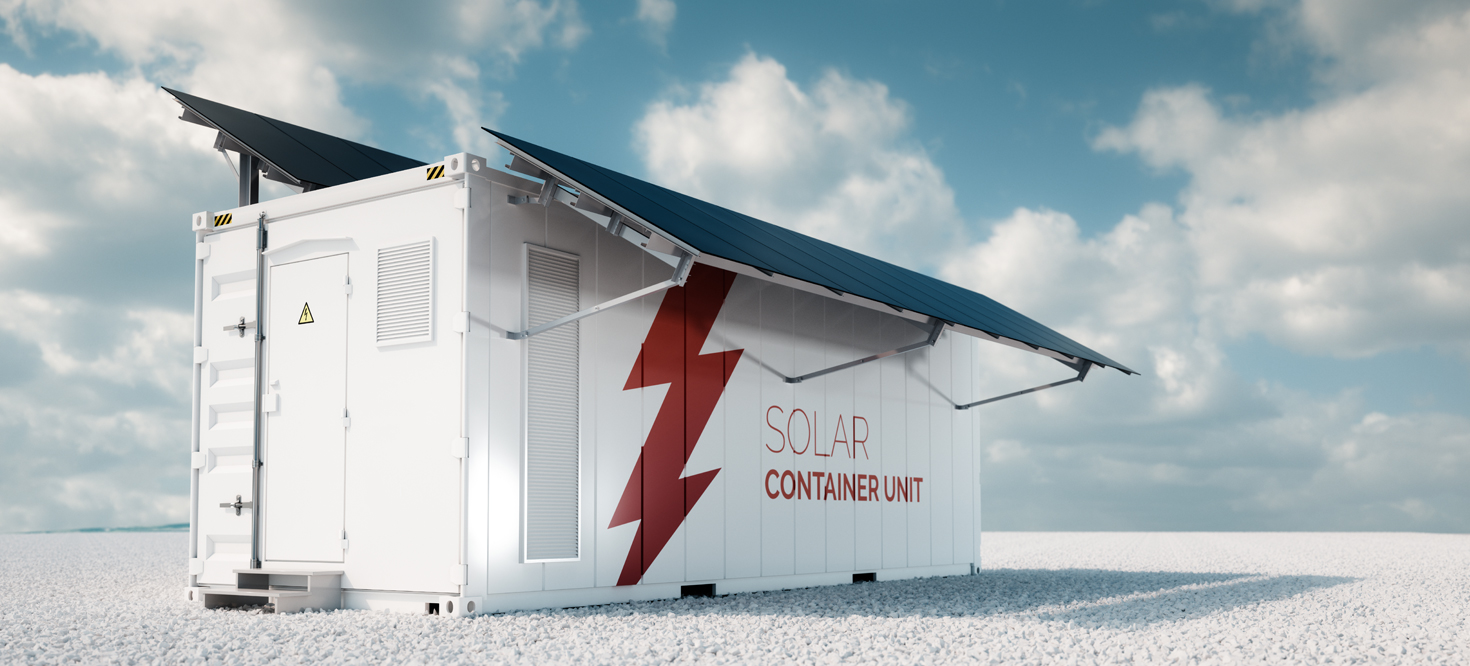
- Battery energy storage system (BESS) frames
- Thermal management structures
- Protective housings and supports
Their ability to integrate structural support and heat dissipation makes aluminium extrusions ideal for these applications.
6. Thermal Management in Electrical Systems
Heat Control Is Mission-Critical
Power electronics generate significant heat.
Aluminium extrusions support:
- Heat sink profiles
- Cooling channels
- Ventilated enclosures
Good thermal performance:
- Improves system efficiency
- Extends component life
- Enhances operational safety
Extrusion allows heat management features to be built directly into structural components.
7. Structural Efficiency and Load Optimization
Doing More with Less Material
Electrical infrastructure often spans large areas and heights.
Aluminium extrusions allow:
- Optimized section geometry
- Reduced material usage
- Lower foundation and support requirements
This structural efficiency reduces:
- Installation time
- Transportation cost
- Overall project weight
For large-scale power projects, these savings are significant.
8. Corrosion Resistance and Outdoor Durability
Designed for Harsh Environments
Power and electrical infrastructure is often exposed to:
- Humidity
- Heat
- Pollution
- Coastal or industrial environments
Aluminium naturally resists corrosion, reducing:
- Protective coating requirements
- Maintenance cycles
- Long-term degradation risk
This makes aluminium especially suitable for outdoor electrical applications.
9. Manufacturing Precision and Tolerance Requirements
Electrical Systems Demand Accuracy
Electrical infrastructure components require:
- Precise alignment
- Consistent geometry
- Reliable assembly interfaces
High-quality aluminium extrusions provide:
- Tight dimensional tolerances
- Repeatable performance
- Compatibility with standardized electrical components
Precision supports faster installation and fewer on-site adjustments.
10. Scalability for National and Global Electrification Programs
Volume Without Compromise
Electrification programs often involve:
- Large quantities
- Multiple sites
- Tight rollout schedules
Aluminium extrusion manufacturing supports:
- High-volume production
- Consistent quality
- Long-term supply continuity
Scalability ensures infrastructure programs remain on schedule.
11. Sustainability and Lifecycle Benefits
Electrification Needs Sustainable Materials
Aluminium supports electrification goals because it is:
- Lightweight, reducing transport emissions
- Highly recyclable
- Durable over long lifecycles
Using aluminium extrusions reduces the total environmental footprint of power infrastructure projects.
12. What Utilities and EPCs Expect in 2026
By 2026, utilities and EPC contractors expect aluminium suppliers to deliver:
- Structural reliability
- Long-term durability
- Consistent quality at scale
- Engineering collaboration
- ESG-aligned manufacturing
Suppliers who meet these expectations become preferred partners in electrification projects.
Conclusion: Aluminium Is Powering the Electrified Future
Electrification is transforming how power is generated, distributed, and consumed. Aluminium extrusions provide the structural, thermal, and functional foundation that enables this transformation at scale.
As power and electrical infrastructure expands, aluminium’s role will continue to grow, supporting a future that is more efficient, resilient, and sustainable.
Related Posts


