
Oct 08 2025
/
Custom Profiles: How Extrusion Adaptability Drives Diverse Applications
Introduction
Extrusion technology has revolutionized manufacturing by offering a highly adaptable process that can produce customized profiles for a broad spectrum of applications. From simple shapes to complex, multi-hollow profiles, custom extrusion profiles provide manufacturers with flexibility and precision, enabling them to create unique parts that meet specific requirements. In industries like automotive, construction, electronics, and renewable energy, this adaptability is invaluable, supporting innovation, reducing material waste, and enhancing product performance.
This blog delves into how custom extrusion profiles are tailored to meet the diverse demands of different industries. By exploring the advantages, applications, and technological advancements in extrusion adaptability, we can see why custom profiles are essential for modern manufacturing, making extrusion a cornerstone for high-performance and sustainable production.
1: Understanding Extrusion and Custom Profiles
1.1 What is Extrusion?
Extrusion is a manufacturing process where a material, often aluminum or plastic, is forced through a die to create a continuous profile with a specific cross-sectional shape. The material takes on the shape of the die as it exits, resulting in a profile that can range from simple solid shapes to complex hollow designs.
- Hot Extrusion: Used for metals, where the material is heated to improve malleability before being extruded.
- Cold Extrusion: Typically used for materials like plastics and certain metals at room temperature.
- Common Materials: While aluminum is popular, other materials like copper, steel, and plastic can also be extruded to create custom profiles.
1.2 What are Custom Extrusion Profiles?
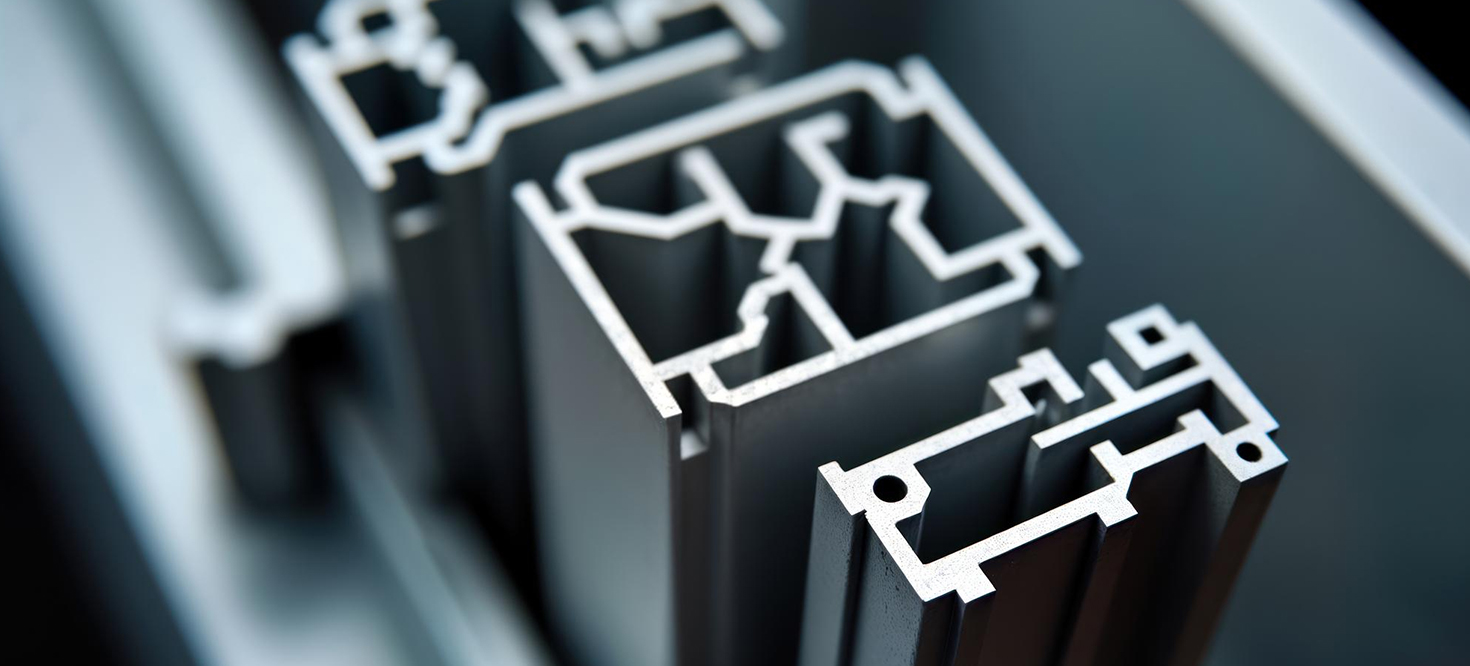
Custom extrusion profiles are tailored designs created to meet the specific needs of a particular application or industry. Instead of standard shapes, custom profiles are engineered with unique dimensions, features, and finishes, enabling them to support specialized functions.
- Tailored Shapes and Designs: Custom profiles can include channels, grooves, holes, and other features that enhance functionality and reduce the need for secondary machining.
- Precise Dimensions: Custom extrusions ensure that dimensions are exact, supporting applications that require tight tolerances.
- Flexible Applications: Custom profiles are used across industries, allowing manufacturers to create parts that meet complex and unique requirements.
With the versatility of custom extrusion, manufacturers can create profiles that are lightweight, durable, and optimized for their intended applications.
2: The Benefits of Custom Extrusion Profiles
Custom extrusion profiles offer numerous benefits that drive efficiency, adaptability, and performance in manufacturing.
2.1 Design Flexibility and Precision
One of the most significant advantages of custom extrusion profiles is the ability to design unique shapes that meet exact specifications.
- Enhanced Functionality: Custom profiles can include specific features, such as channels for wiring or fluid, that streamline product assembly and enhance functionality.
- Precision Tolerances: Custom extrusion processes achieve high precision, ensuring that the final profile meets exact dimensional requirements.
- Complex Shapes with Ease: Extrusion technology supports the creation of complex profiles that would be challenging or expensive to produce through other manufacturing methods.
2.2 Cost-Effectiveness and Material Efficiency
Custom extrusions are cost-effective due to the efficiency of the extrusion process and the reduction in secondary machining.
- Reduced Waste: Custom profiles are designed to meet precise dimensions, reducing excess material and minimizing waste.
- Faster Production: Extrusion is a continuous process, allowing for faster production rates compared to other methods that require additional steps for complex shapes.
- Minimized Machining: Custom extrusions often require little to no post-processing, reducing labor and machining costs.
2.3 Lightweight Strength and Durability
Custom extrusion profiles, especially with aluminum, offer a combination of lightweight strength and durability essential for high-performance applications.
- Strength Without Extra Weight: Aluminum extrusions provide high strength-to-weight ratios, making them ideal for industries where weight reduction is crucial.
- Durability in Harsh Conditions: Custom profiles can be tailored to withstand environmental challenges, including corrosion, temperature extremes, and chemical exposure.
- Longevity and Reliability: With custom profiles, manufacturers can create components that last longer and perform reliably in demanding applications.
2.4 Environmental Sustainability
Custom extrusions contribute to sustainable practices by reducing waste and supporting recyclable materials, like aluminum.
- Material Conservation: By minimizing excess material, custom extrusions promote resource efficiency, supporting sustainable manufacturing practices.
- Recyclability of Aluminum: Aluminum, the most popular material for custom extrusions, is fully recyclable, supporting circular economy principles.
- Reduced Carbon Footprint: The efficiency of the extrusion process reduces energy use, minimizing the environmental impact of production.
These benefits make custom extrusion profiles a smart choice for industries looking to optimize performance, reduce costs, and minimize their environmental impact.
3: Applications of Custom Extrusion Profiles Across Industries
Custom extrusion profiles play an essential role across multiple industries, each benefiting from the adaptability of the extrusion process.
3.1 Automotive Industry: Lightweight and High-Strength Components
In the automotive industry, weight reduction is critical to improving fuel efficiency and reducing emissions, and custom aluminum extrusions provide the ideal solution.
- Crash Management Systems: Custom extrusions are used in crumple zones and impact-absorbing structures to enhance passenger safety without adding excessive weight.
- Battery Enclosures for Electric Vehicles (EVs): Extruded aluminum profiles are designed to house EV batteries, offering lightweight protection and heat dissipation.
- Chassis and Frame Components: Aluminum custom extrusions provide durable yet lightweight frames that improve vehicle performance and handling.
3.2 Construction and Architecture: Structural and Aesthetic Applications
Custom extrusion profiles are widely used in architecture and construction due to their versatility, durability, and aesthetic appeal.
- Curtain Walls and Facades: Custom aluminum extrusions allow architects to design unique and energy-efficient building facades that enhance the building’s appearance and thermal performance.
- Window and Door Frames: Aluminum extrusions provide durable, corrosion-resistant frames for windows and doors, with customization options that improve energy efficiency.
- Structural Beams and Supports: Custom extruded beams and supports offer structural strength for lightweight building frameworks, reducing material usage and environmental impact.
3.3 Electronics and Electrical Engineering: Precision and Heat Management
In electronics and electrical engineering, custom profiles are used for components that require precision and efficient heat dissipation.
- Heat Sinks: Custom extruded aluminum profiles are used in heat sinks to manage heat in electronic devices, improving performance and preventing overheating.
- Enclosures and Casings: Custom extruded enclosures protect sensitive electronic components from environmental exposure while also dissipating heat.
- Cable Management Systems: Custom profiles provide organized pathways for cables and wiring, supporting safe and efficient electrical systems.
3.4 Renewable Energy: Supporting Solar and Wind Applications
As renewable energy expands, custom extrusion profiles play a crucial role in solar and wind energy systems, providing lightweight, durable structures.
- Solar Panel Frames and Mounts: Custom extrusions provide corrosion-resistant, lightweight frames that support solar panels, making installation easier and more efficient.
- Wind Turbine Components: Lightweight, durable aluminum extrusions are used in wind turbine housings and frames, offering the necessary strength without adding excess weight.
- Battery Storage Systems: Extruded aluminum battery enclosures offer heat management and protection for energy storage systems, supporting the renewable energy sector’s growth.
3.5 Aerospace: High-Performance Profiles for Extreme Conditions
In aerospace, custom extrusion profiles meet stringent demands for lightweight strength, durability, and resistance to extreme conditions.
- Aircraft Frames and Structural Components: Custom aluminum extrusions are used in aircraft frames and fuselages, reducing weight and enhancing fuel efficiency.
- Landing Gear and Support Structures: High-strength extrusions support landing gear, ensuring durability under stress and impact.
- Satellite Frames: Custom extrusions provide lightweight, durable frames for satellite components, supporting reliability in harsh space environments.
These diverse applications highlight the adaptability of custom extrusion profiles, which provide tailored solutions for industries with specific performance, durability, and sustainability requirements.
4: Technological Advancements in Custom Extrusion Profiles
As technology advances, custom extrusion profiles are becoming more precise, efficient, and innovative, expanding their role across industries.
4.1 Precision Die Design and Multi-Hollow Extrusions
Advances in die technology enable the creation of precision dies that produce complex, multi-hollow extrusion profiles with exact dimensions.
- Multi-Chamber Profiles for Enhanced Functionality: Multi-hollow extrusions support complex applications, such as heat sinks with cooling channels and structural beams with integrated wiring pathways.
- Customizable Die Designs: Precision dies allow manufacturers to produce unique shapes that meet the specific needs of each application, reducing the need for additional machining.
- Enhanced Strength-to-Weight Ratios: Multi-hollow designs reduce material use while maintaining strength, optimizing resource efficiency.
4.2 Surface Treatments for Improved Durability and Aesthetics
Surface treatments, such as anodizing and powder coating, enhance aluminum’s durability and aesthetic appeal, supporting diverse applications.
- Anodizing for Corrosion Resistance: Anodizing creates a protective oxide layer, increasing aluminum’s resistance to corrosion, ideal for outdoor applications and harsh environments.
- Powder Coating for Aesthetic Versatility: Powder coating allows for color customization while adding durability, providing an attractive finish for architectural applications.
- Thermal Break Technology: Thermal breaks integrated into extruded profiles improve insulation in window frames, curtain walls, and other applications where energy efficiency is important.
4.3 Rapid Prototyping and Additive Manufacturing
Additive manufacturing and rapid prototyping technologies are supporting the development of custom extrusions, making it easier to design and test new profiles.
- Rapid Prototyping for Design Validation: 3D printing enables the quick creation of prototype models, allowing for testing and refinement before full-scale extrusion production.
- Hybrid Manufacturing Techniques: Combining extrusion with additive manufacturing supports the production of complex profiles with minimal material waste.
- Customization at Scale: Rapid prototyping and digital design allow manufacturers to produce custom profiles quickly, supporting flexible manufacturing for unique applications.
4.4 Automated Extrusion Processes for Efficiency and Precision
Automation in extrusion technology is enhancing efficiency and precision, enabling large-scale production of custom profiles with high consistency.
- Automated Die Changes for Flexibility: Automated systems allow for rapid die changes, enabling manufacturers to switch between different profiles with minimal downtime.
- Real-Time Monitoring and Quality Control: Sensors and digital systems monitor extrusion parameters in real-time, ensuring consistent quality and reducing waste.
- Data-Driven Optimization: By analyzing production data, manufacturers can optimize extrusion parameters, improving efficiency and reducing energy consumption.
These advancements in extrusion technology enable the creation of high-performance custom profiles that meet the increasing demands for precision, efficiency, and sustainability.
5: The Future of Custom Extrusion Profiles in Industry
As technology advances, custom extrusion profiles will continue to play a vital role in shaping the future of various industries.
5.1 Expansion in Green Building and Sustainable Architecture
The construction industry is increasingly focused on sustainable practices, and custom extrusions are supporting green building initiatives.
- Energy-Efficient Designs: Custom profiles for energy-efficient window frames and curtain walls contribute to sustainable building practices by improving insulation.
- Sustainable Materials: Custom extrusions using recycled aluminum support a circular economy and reduce environmental impact in construction.
- Integration with Renewable Energy Systems: Custom aluminum profiles are used in solar panel frames and wind turbine components, supporting renewable energy installations.
5.2 Lightweight Design in Transportation
As the transportation industry shifts toward lighter materials, custom extrusions are essential for lightweight design in automotive, aerospace, and rail applications.
- Lightweight Electric Vehicle Components: Custom extrusions support electric vehicle battery enclosures, frames, and structural components, contributing to lighter, more efficient vehicles.
- Fuel-Efficient Aerospace Components: Custom profiles for aircraft frames and landing gear help reduce weight, enhancing fuel efficiency and reducing emissions.
- Railcar Frames and Components: Custom extrusions provide lightweight yet strong solutions for railcar structures, improving energy efficiency in transportation.
5.3 Adaptability in Electronics and Energy Storage
In electronics and energy storage, custom profiles support innovations that require precision, heat management, and compact design.
- Advanced Heat Sinks for Electronics: Custom extrusions in heat sinks improve thermal management, essential for compact electronics that generate significant heat.
- Battery Storage Enclosures: Custom aluminum profiles offer heat dissipation and protective housing for energy storage systems, supporting the growth of renewable energy.
- Cable Management and Electrical Conduits: Custom profiles provide organized pathways for cables, ensuring safe and efficient power distribution in complex electrical systems.
These trends indicate a strong future for custom extrusion profiles as they continue to meet the evolving needs of various industries.
Conclusion: Custom Profiles Driving Innovation Across Industries
Custom extrusion profiles are essential in modern manufacturing, offering a versatile, efficient, and sustainable solution for industries ranging from automotive and construction to electronics and renewable energy. With advancements in precision die technology, surface treatments, and automated processes, custom extrusions allow manufacturers to create unique profiles that meet specific requirements, improving product performance and supporting innovative designs.
As technology continues to advance, custom extrusion profiles will play an increasingly important role in enabling lightweight, durable, and sustainable manufacturing solutions. By leveraging custom profiles, manufacturers can drive innovation and meet the diverse demands of a fast-evolving market, making extrusion adaptability a cornerstone of modern industry.
Related Posts


