
Nov 16 2025
/
Innovative Solutions: Why Aluminum is Key in Industrial Machinery
Introduction
As industries evolve to meet increasing demands for efficiency, cost-effectiveness, and sustainability, materials selection has become more critical than ever. Aluminum has emerged as a preferred material in the field of industrial machinery due to its unique combination of properties. Known for its lightweight strength, corrosion resistance, and excellent machinability, aluminum enables manufacturers to design and build machinery that is not only efficient and durable but also adaptable to modern industry challenges.
This blog explores why aluminum is key in industrial machinery, discussing its benefits, applications, and role in supporting innovations across sectors like manufacturing, construction, automotive, and energy. From structural components and heat exchangers to lightweight robotic arms, aluminum’s versatility makes it essential for developing machinery that meets both current and future industrial needs.
1: Why Aluminum is Essential for Industrial Machinery
1.1 Lightweight Strength for Enhanced Efficiency
One of the standout properties of aluminum is its high strength-to-weight ratio, which makes it ideal for creating durable yet lightweight machinery components.
- Reduced Machine Weight: Aluminum components reduce the overall weight of industrial machinery, making it easier to transport, install, and handle.
- Energy Efficiency: Lightweight machinery requires less energy to operate, which reduces operating costs and improves sustainability, especially in applications that involve high-speed movement or rotational parts.
- Extended Component Lifespan: Aluminum’s lightweight strength reduces the wear and tear on other machinery parts, extending their lifespan and reducing the need for frequent maintenance.
1.2 Corrosion Resistance for Longevity and Durability
Industrial environments often expose machinery to harsh conditions, making corrosion resistance an essential requirement for any material used in machinery components.
- Reduced Maintenance Costs: Aluminum’s natural corrosion resistance reduces the frequency of maintenance and repairs, translating to cost savings over the machinery’s lifetime.
- Suitability for Harsh Environments: Aluminum performs well in challenging environments, including those with high moisture levels, chemicals, or exposure to the elements, making it ideal for machinery used in sectors like agriculture, mining, and marine.
- Extended Equipment Lifespan: By resisting corrosion, aluminum components maintain their integrity and appearance, supporting machinery that remains reliable and functional over time.
1.3 Excellent Machinability and Formability
Aluminum is known for its machinability and ease of forming, allowing manufacturers to create complex components and intricate designs with high precision.
- Reduced Production Time: Aluminum’s machinability allows for faster, more efficient manufacturing, reducing lead times and allowing manufacturers to respond quickly to market demands.
- Support for Complex Designs: Aluminum’s formability enables the production of intricate parts and profiles that would be challenging to achieve with other materials.
- Cost-Effectiveness: The ease of machining aluminum reduces tool wear and operational costs, making it a cost-effective choice for industries that require high-precision parts.
1.4 Recyclability and Sustainability
With a strong emphasis on sustainability, aluminum’s recyclability has become a valuable asset for industrial machinery manufacturers seeking eco-friendly solutions.
- Reduced Environmental Impact: Aluminum can be recycled indefinitely without losing its properties, supporting a circular economy that minimizes waste and conserves natural resources.
- Energy Savings: Recycling aluminum uses up to 95% less energy than producing new aluminum, significantly lowering the material’s carbon footprint.
- Alignment with Green Goals: Many industries are pursuing sustainability initiatives, and aluminum’s recyclability makes it an ideal material for eco-conscious machinery manufacturers.
These properties make aluminum a critical material in industrial machinery, providing solutions that balance performance, cost, and environmental responsibility.
2: Key Applications of Aluminum in Industrial Machinery
Aluminum’s versatility enables it to support various applications across different types of industrial machinery. Here are some of the key areas where aluminum is making a difference.
2.1 Structural Components and Frames
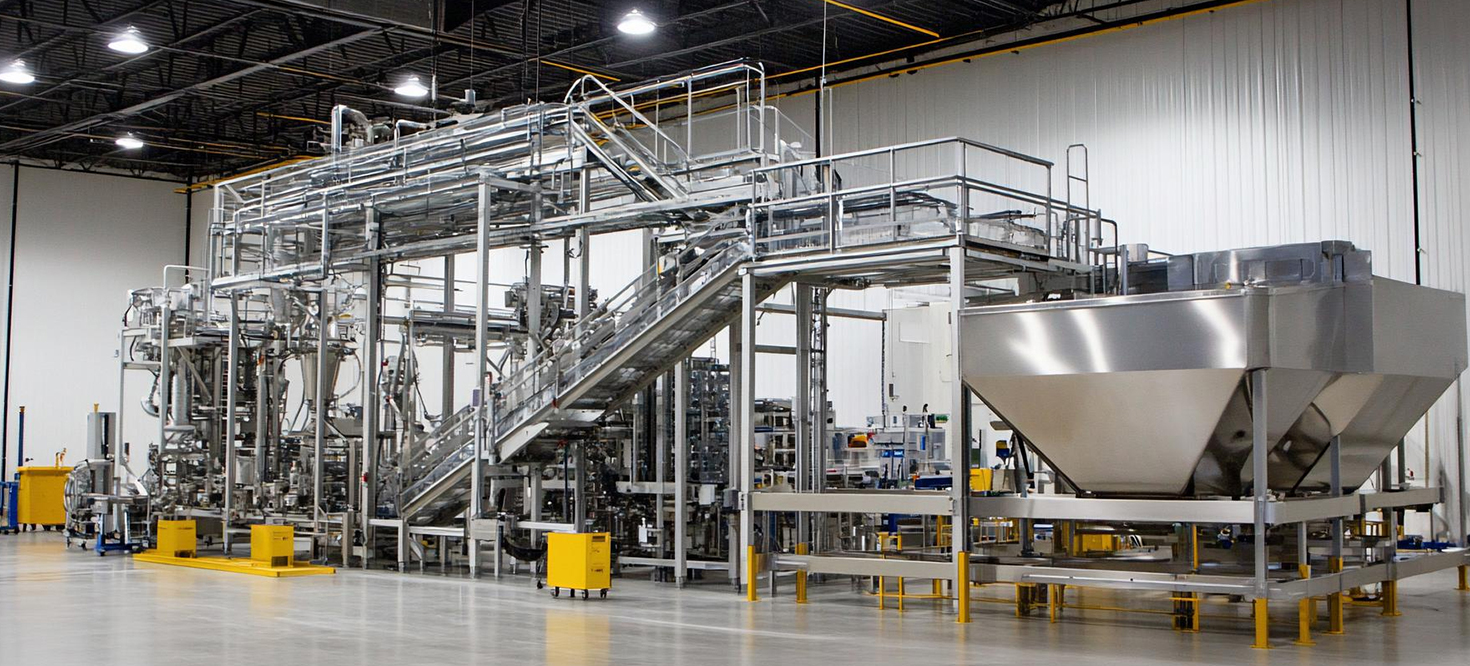
In industrial machinery, structural stability is essential for ensuring safety, performance, and longevity. Aluminum’s strength and lightweight properties make it ideal for structural components.
- Machinery Frames and Supports: Aluminum frames provide the structural backbone for machinery, supporting heavy loads without adding unnecessary weight.
- Modular Components for Flexibility: Many manufacturers create modular aluminum frames that can be easily reconfigured or expanded, supporting flexible manufacturing practices.
- Durability in Harsh Environments: Aluminum’s resistance to corrosion and environmental degradation ensures that structural components remain stable over time, even in challenging conditions.
2.2 Heat Exchangers and Thermal Management Systems
In industrial machinery, effective heat management is essential to prevent overheating and ensure efficiency. Aluminum’s thermal conductivity makes it ideal for heat exchangers and cooling systems.
- Heat Exchangers: Aluminum’s excellent thermal conductivity allows it to dissipate heat efficiently, making it suitable for heat exchangers in industries that require precise temperature control.
- Cooling Fins and Radiators: Lightweight aluminum fins and radiators are used to cool machinery components, improving efficiency and preventing overheating.
- Thermal Control for Electronic Equipment: Aluminum’s role in thermal management is especially valuable in machinery that incorporates electronics, where temperature regulation is critical to prevent component failure.
2.3 Robotic Arms and Motion Components
As industries adopt more automation, robotic arms and motion components are increasingly essential. Aluminum’s lightweight strength and machinability support the design of advanced robotic systems.
- Lightweight Robotic Arms: Aluminum’s strength allows for the creation of durable yet lightweight robotic arms, reducing energy requirements and improving maneuverability.
- Precision Components for Motion Control: Aluminum’s machinability allows for the creation of precise motion control components, essential for automated systems that require accuracy.
- Reduced Inertia for Faster Movement: The low weight of aluminum components reduces inertia, allowing robotic systems to achieve faster, smoother movement.
2.4 Conveyors and Material Handling Systems
In industrial applications that involve material handling, aluminum’s lightweight properties and corrosion resistance make it an ideal material for conveyors and transport systems.
- Corrosion-Resistant Conveyors: Aluminum conveyors resist moisture and chemicals, making them suitable for applications in food processing, pharmaceuticals, and other industries with stringent hygiene standards.
- Lightweight Components for Load Reduction: Using lightweight aluminum reduces the load on conveyor motors, improving energy efficiency and reducing wear.
- Durability for Heavy Use: Aluminum’s durability ensures that conveyors can withstand heavy use without degradation, reducing maintenance needs.
2.5 Protective Enclosures and Casings
Protecting sensitive machinery components is essential, particularly in industrial environments where dust, moisture, and impact are prevalent.
- Electronics Enclosures: Aluminum enclosures shield electronic components from environmental hazards while dissipating heat, supporting safe and reliable operation.
- Impact-Resistant Casings: Aluminum’s strength provides durable protection for vulnerable parts, minimizing the risk of damage from impact.
- Corrosion-Resistant Coatings: Aluminum enclosures and casings can be anodized or powder-coated to enhance corrosion resistance, extending their service life.
By supporting these applications, aluminum enables manufacturers to create efficient, durable, and adaptable industrial machinery that meets a variety of operational demands.
3: Innovations in Aluminum Use for Industrial Machinery
Advancements in aluminum processing and extrusion technology have led to innovations that expand the possibilities for aluminum in industrial machinery.
3.1 Precision Aluminum Extrusions for Custom Profiles
Extrusion technology has enabled the creation of precise, custom aluminum profiles that meet the unique needs of industrial machinery.
- Custom Die Designs: Precision dies allow for the creation of complex profiles that fit specific machinery designs, reducing the need for additional processing.
- Multi-Hollow Extrusions for Lightweight Strength: Multi-hollow aluminum extrusions offer a lightweight alternative for load-bearing components, providing strength with less material.
- Integration of Functional Features: Extruded aluminum profiles can integrate channels for wiring, fluid transfer, or structural reinforcement, enhancing functionality and design flexibility.
3.2 High-Strength Aluminum Alloys for Durability
The development of high-strength aluminum alloys has expanded the range of applications for aluminum in machinery, particularly in high-stress environments.
- 7000 Series Aluminum Alloys: Known for their high strength, these alloys are used in components that experience heavy loads and intense stress, such as structural supports and motion parts.
- Heat-Treated Alloys for Enhanced Performance: Heat-treated aluminum alloys offer improved hardness and wear resistance, essential for machinery that operates under harsh conditions.
- Corrosion-Resistant Alloys for Marine Applications: Certain alloys provide enhanced corrosion resistance, making them suitable for machinery in coastal or offshore settings.
3.3 Surface Treatments for Enhanced Durability
Surface treatments such as anodizing and powder coating improve aluminum’s durability and appearance, supporting industrial applications where aesthetics and protection are important.
- Anodizing for Corrosion Resistance: Anodizing creates a protective oxide layer on aluminum, enhancing corrosion resistance and adding a decorative finish.
- Powder Coating for Extra Protection: Powder coating provides an additional layer of protection against chemicals, impacts, and abrasions, extending the lifespan of aluminum parts.
- Non-Stick and Anti-Wear Coatings: Specialized coatings offer non-stick and anti-wear properties, making aluminum suitable for components exposed to friction or wear.
3.4 Lightweight Design for Increased Efficiency
Advances in lightweight aluminum design are enabling machinery manufacturers to reduce energy consumption and improve operational efficiency.
- Topology Optimization for Material Reduction: Topology optimization is a design method that removes unnecessary material, creating lightweight aluminum components without compromising strength.
- Hybrid Aluminum-Steel Components: Combining aluminum with steel allows manufacturers to achieve high strength while reducing weight, ideal for applications that require a balance between durability and lightness.
- Additive Manufacturing (3D Printing) with Aluminum: The use of aluminum in additive manufacturing enables the production of complex shapes with minimal material waste, supporting custom and lightweight designs.
These innovations are enhancing the role of aluminum in industrial machinery, enabling manufacturers to create solutions that are more efficient, durable, and adaptable to industry needs.
4: The Benefits of Using Aluminum for Industrial Machinery
The use of aluminum in industrial machinery offers significant benefits that support performance, cost-efficiency, and sustainability.
4.1 Cost-Effectiveness and Material Efficiency
Aluminum’s lightweight nature and machinability make it a cost-effective choice for manufacturing.
- Lower Material Costs: Aluminum is generally more affordable than other high-strength metals, making it a cost-effective choice for large machinery components.
- Reduced Energy Consumption: Lightweight aluminum reduces energy consumption during both production and operation, supporting more sustainable manufacturing practices.
- Minimized Tool Wear: Aluminum’s machinability reduces tool wear and extends the life of cutting tools, decreasing production costs.
4.2 Sustainability and Environmental Responsibility
Aluminum’s recyclability and energy efficiency make it a sustainable choice for machinery manufacturers.
- High Recyclability: Aluminum can be recycled indefinitely without losing its properties, supporting a circular economy that reduces waste.
- Reduced Emissions: Using recycled aluminum significantly reduces greenhouse gas emissions compared to producing new aluminum, aligning with green manufacturing goals.
- Support for Eco-Friendly Manufacturing: Aluminum enables manufacturers to create machinery that aligns with sustainability standards, supporting environmental responsibility.
4.3 Adaptability and Versatility
Aluminum’s adaptability supports a wide range of applications in industrial machinery, from precision components to large structural parts.
- Versatile Forming Options: Aluminum can be cast, extruded, or machined into virtually any shape, offering design flexibility for manufacturers.
- Compatibility with Other Materials: Aluminum works well in combination with other materials, allowing for hybrid designs that optimize both strength and weight.
- Rapid Prototyping and Production: Aluminum’s machinability and adaptability support rapid prototyping, enabling manufacturers to develop and test new machinery designs quickly.
Conclusion: Aluminum’s Impact on the Future of Industrial Machinery
Aluminum’s unique properties make it a key material in the development of efficient, durable, and sustainable industrial machinery. With benefits like lightweight strength, corrosion resistance, machinability, and recyclability, aluminum enables manufacturers to create machinery that meets the high demands of modern industries while supporting sustainability goals.
Innovations in aluminum alloy development, extrusion technology, and surface treatments are expanding the applications of aluminum in industrial machinery, allowing manufacturers to push the boundaries of what’s possible. As the industry continues to advance, aluminum’s role in machinery design and production will only grow, providing the foundation for a future of smarter, more efficient, and environmentally responsible manufacturing.
Related Posts


